
Use case
Airport Landside Security Screening
As millions of people pass through airports each day, airports have become a logical target for terrorists.
The challenge
Landside security has lagged behind
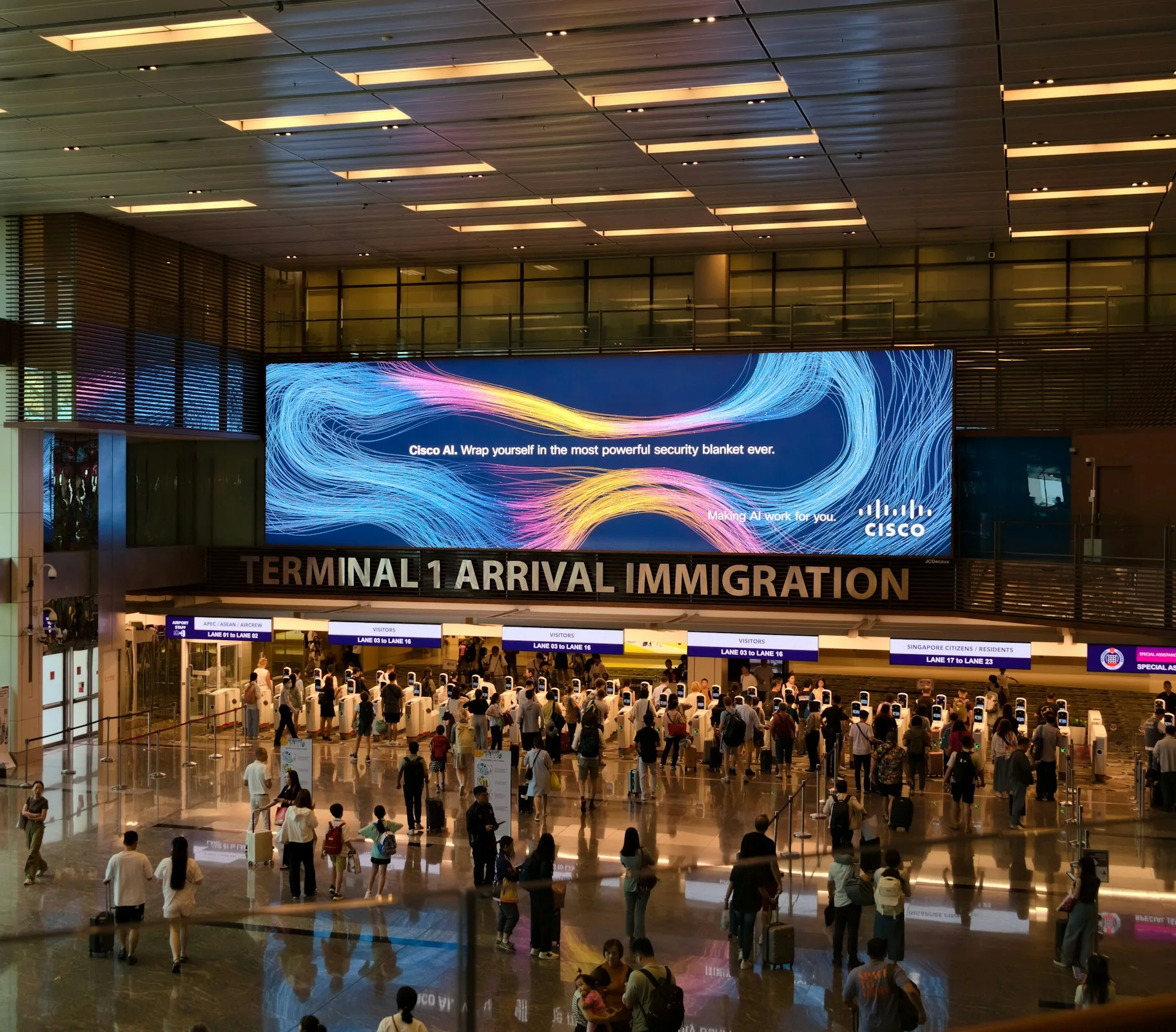
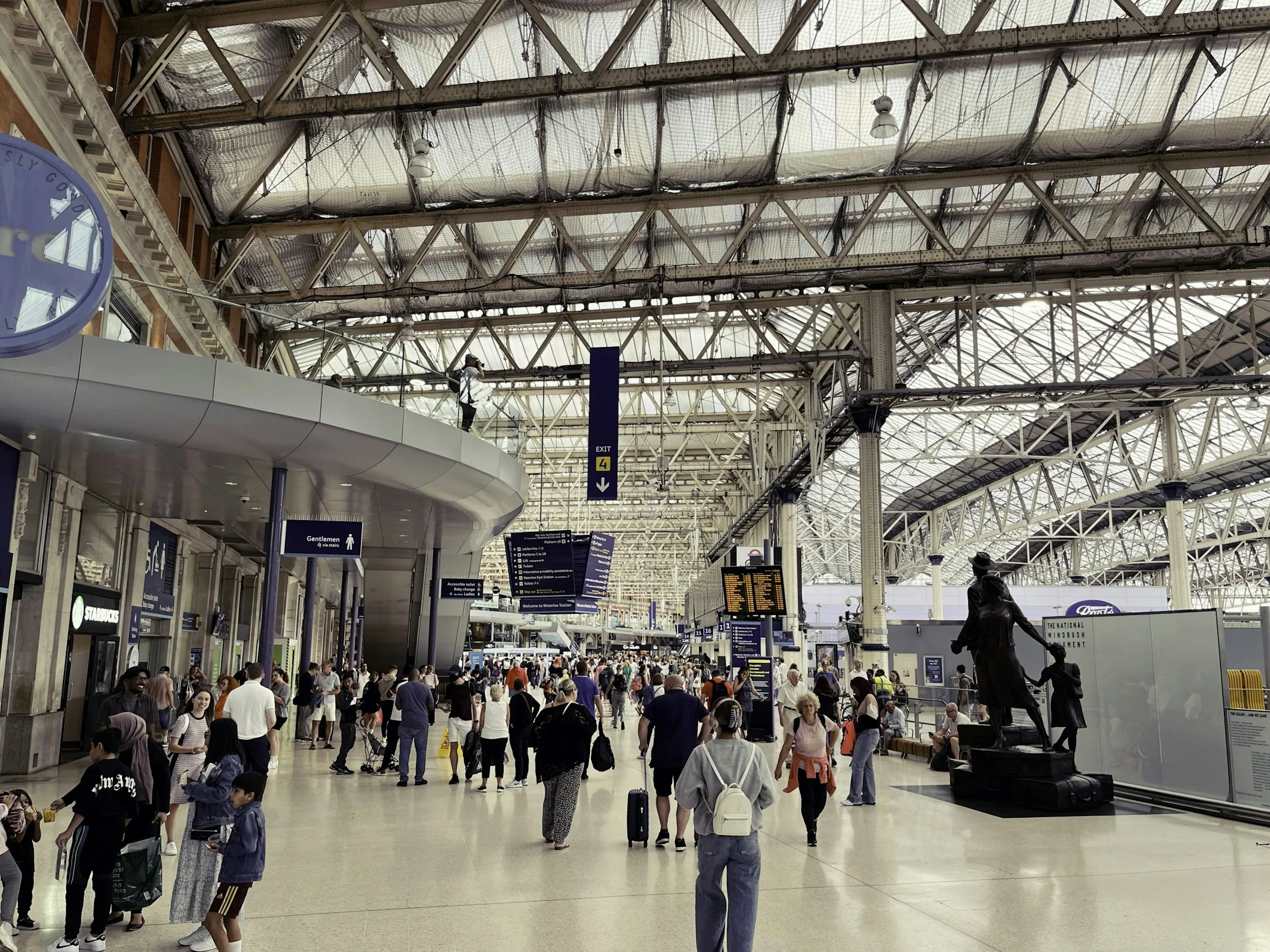
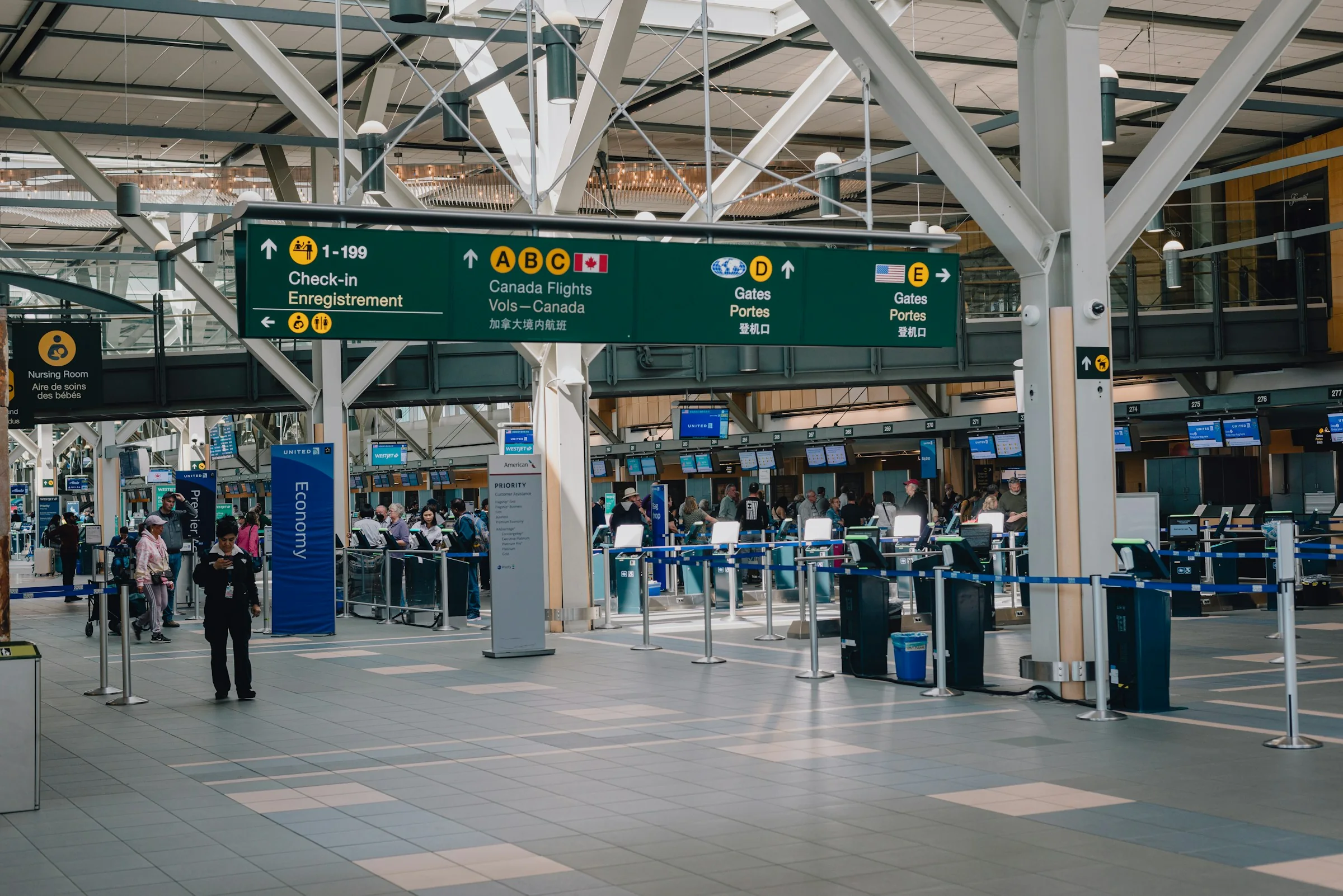
As millions of people pass through airports each day, airports have become a logical target for terrorists. And while airside security has increased significantly in the wake of attacks, landside security has lagged behind—despite attacks at airports in Brussels and Istanbul. People can usually enter airports without encountering much in the way of security measures.
At entrances to airport terminals, using traditional checkpoint security processes that scan one individual at a time, is often impractical, inconvenient, unreliable, and expensive to operate. In addition it can cause secondary vulnerabilities by creating lines outside the entrance. As a result, security at terminal entrances was limited or non-existent, and time and time again has failed to act as a deterrent for terrorists.
- Where
- Landside arrivals and departures halls, at the entry into the terminal
- Threats
- Explosive threats and automatic firearms
- Product
- Apstec HSR
- Flow
- Screens without interrupting the crowd flow
The solution
Screening at the entry into the terminal
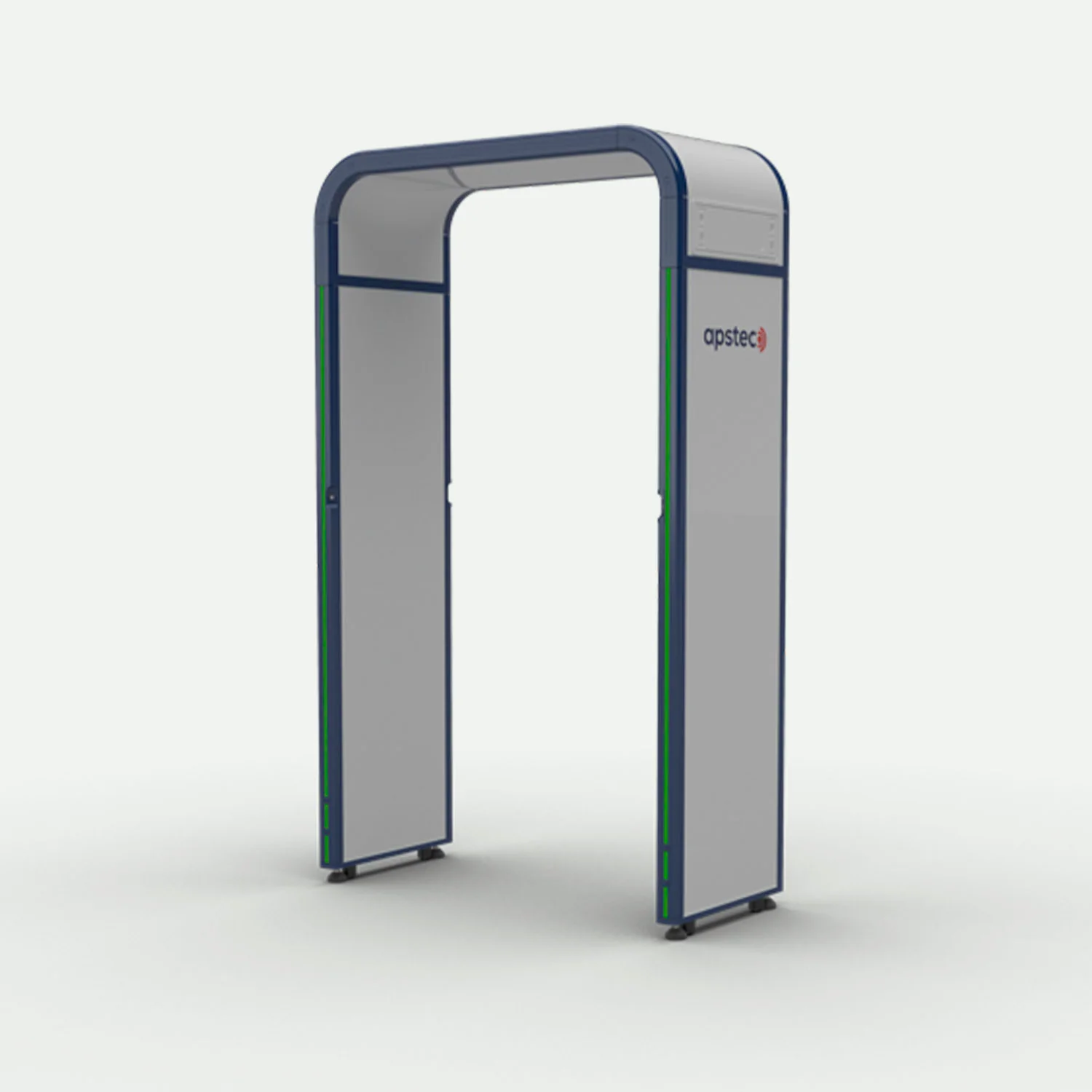
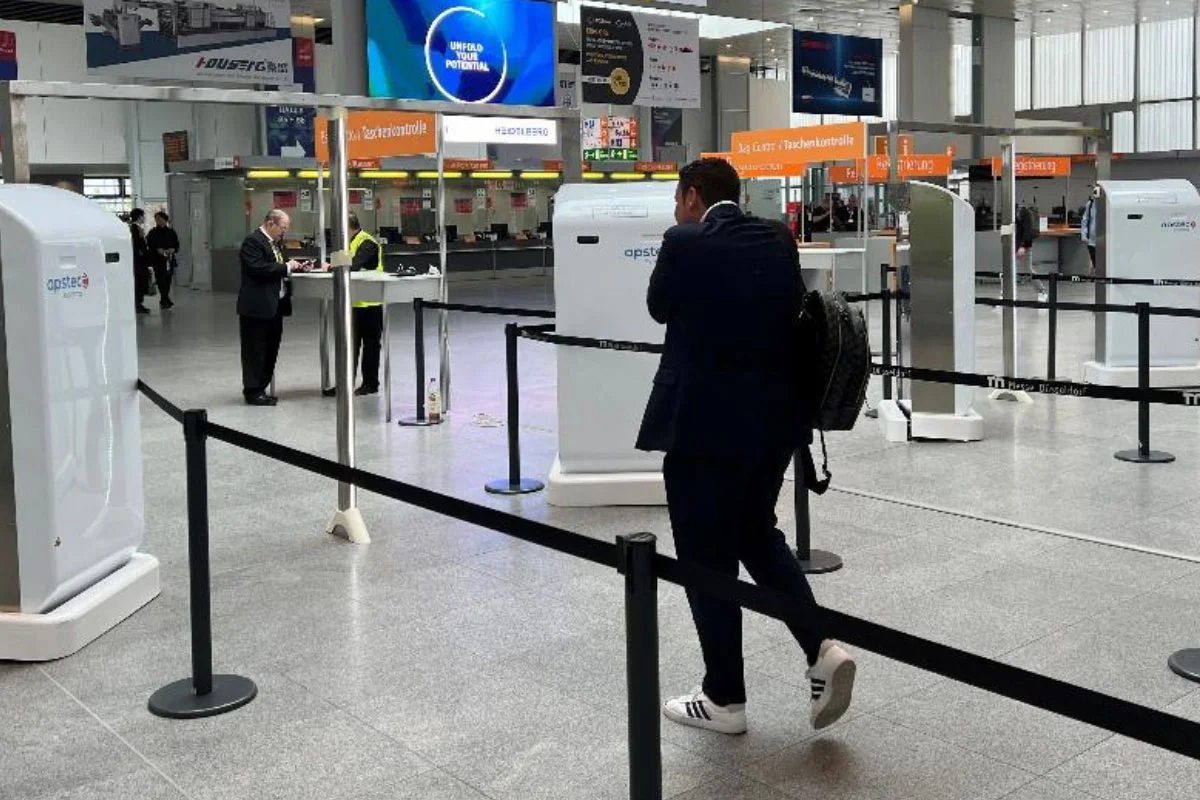
Apstec®’s Human Security Radar® (HSR™) delivers the capability to screen people for explosive threats and automatic firearms. HSR™ offers the opportunity for Airports to significantly mitigate the risk of terrorism in landside arrivals and departures. HSR™ does this by screening people for threat items at the entry into the terminal. HSR™ can enhance Airport security and at the same time have a positive effect on airport operations and the entire passenger experience.
HSR™ screens people entering landside public spaces for explosive threats and automatic firearms without the need to interrupt the crowd flow. HSR™ is not screening for small threat items that may pose a threat to the safety of an aircraft in flight, which is the purpose of pre-departures screening, but is protecting people in landside areas from terrorist attack. It is another layer of airport security and offers a solution to mitigating the risk of terrorism in arrival and departure halls where a capability gap currently exists.
6,000 people / hour
screened by HSR at the terminal entrance
1 HSR system
and a handful of staff resolve the alerts for 5,000 people an hour
15 search lanes
and at least 35 staff for the same with traditional security
The challenge
Why traditional checkpoints fail at the entrance
Traditional security at airports and other crowded areas is slow, disruptive, a poor experience, high contact, high density and high cost.
01
Queues are a target
It generates queues of people waiting for screening, and these people are vulnerable targets for an attacker.
02
Large numbers of staff
Traditional security needs large numbers of security staff, making it an exorbitant affair.
03
A capability gap
Landside arrivals and departures halls have lacked screening that fits the crowd flow.
How it works
HSR at the entry into the terminal
HSR uses several complementary technologies to detect pure explosive materials, improvised explosive devices, firearms and bladed weapons, and allows people to flow through it freely.
Free flow
No queue, no divesting
There is no requirement to remove coats or bags or empty pockets of metallic items. HSR screens while people walk through.
Automatic, real-time alerts
To a responder
It alerts in real time, sending a photographic image of the person of interest and the approximate location of the possible threat item to a responder, who directs the person to secondary screening.
Complementary technologies
Radio waves and metal detection
HSR analyzes reflected radio waves to assess the nature of a material, and uses metal detection to identify metallic weapons and bomb components on the body or in bags.
Permanent or pop-up
Part of a deterrence strategy
Some deploy it widely and permanently, others in response to an increase in threat levels or the risks of specific events.
With behavioural detection
A potent combination
Responders quickly get used to how people move through the system, so suspicious behaviour stands out.
For the airport
Another layer of airport security
HSR is not screening for small items that threaten an aircraft in flight; it protects people in landside areas from terrorist attack.
01
Fewer staff
One system and a handful of security staff respond to and resolve the alerts.
02
A better passenger experience
No queue and no divesting at the terminal entrance.
03
Business as usual
Getting the public into the terminal quickly, rather than held up in queues.
04
Simple to run
Having switched on the system, the rest is automatic; alerts are specific and clear, so the training burden is low.
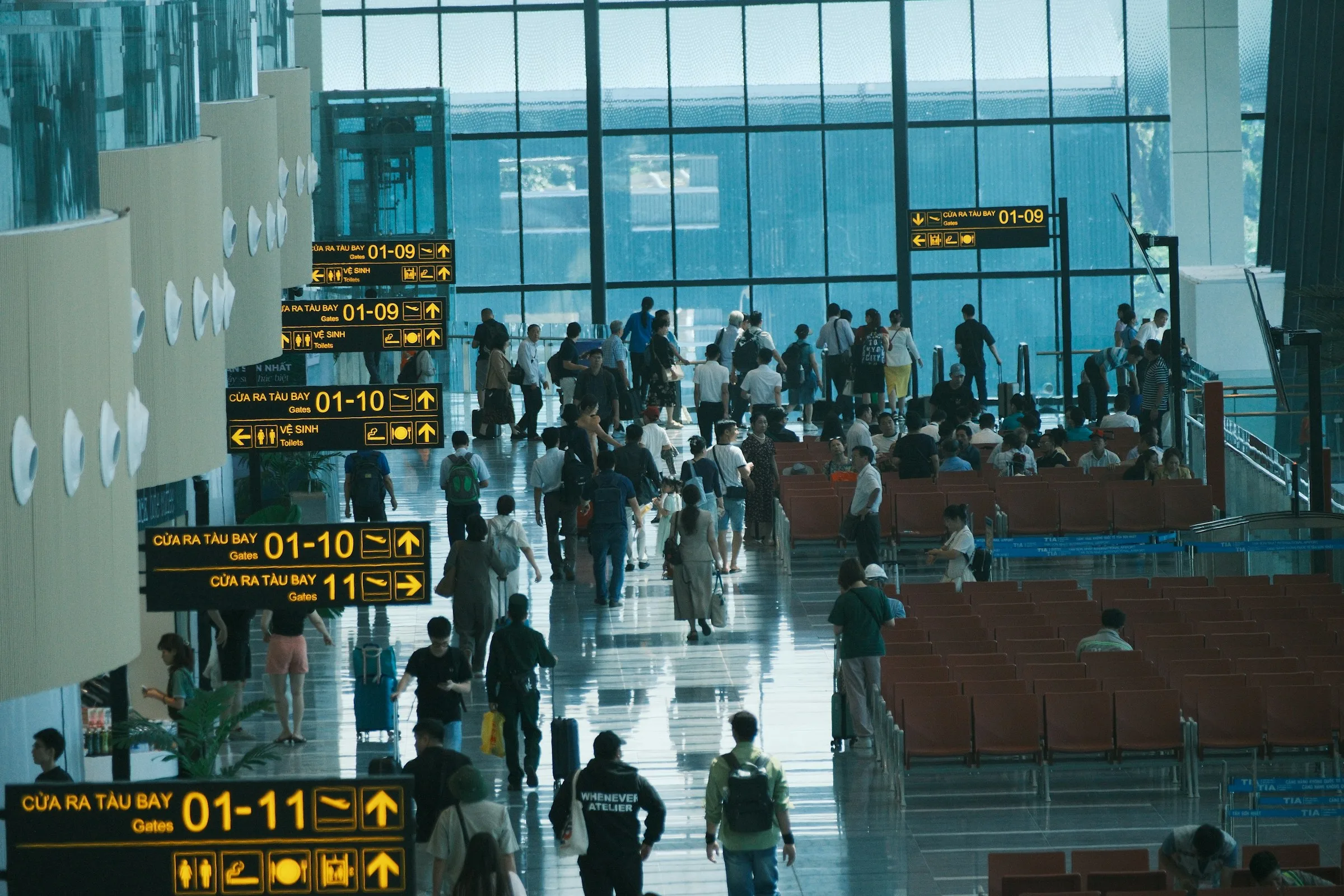
Designed specifically with crowded places in mind, HSR has a uniquely high throughput, removes the need to queue and to divest, allows the free flow of people, and offers a good security experience.
Products
Our products
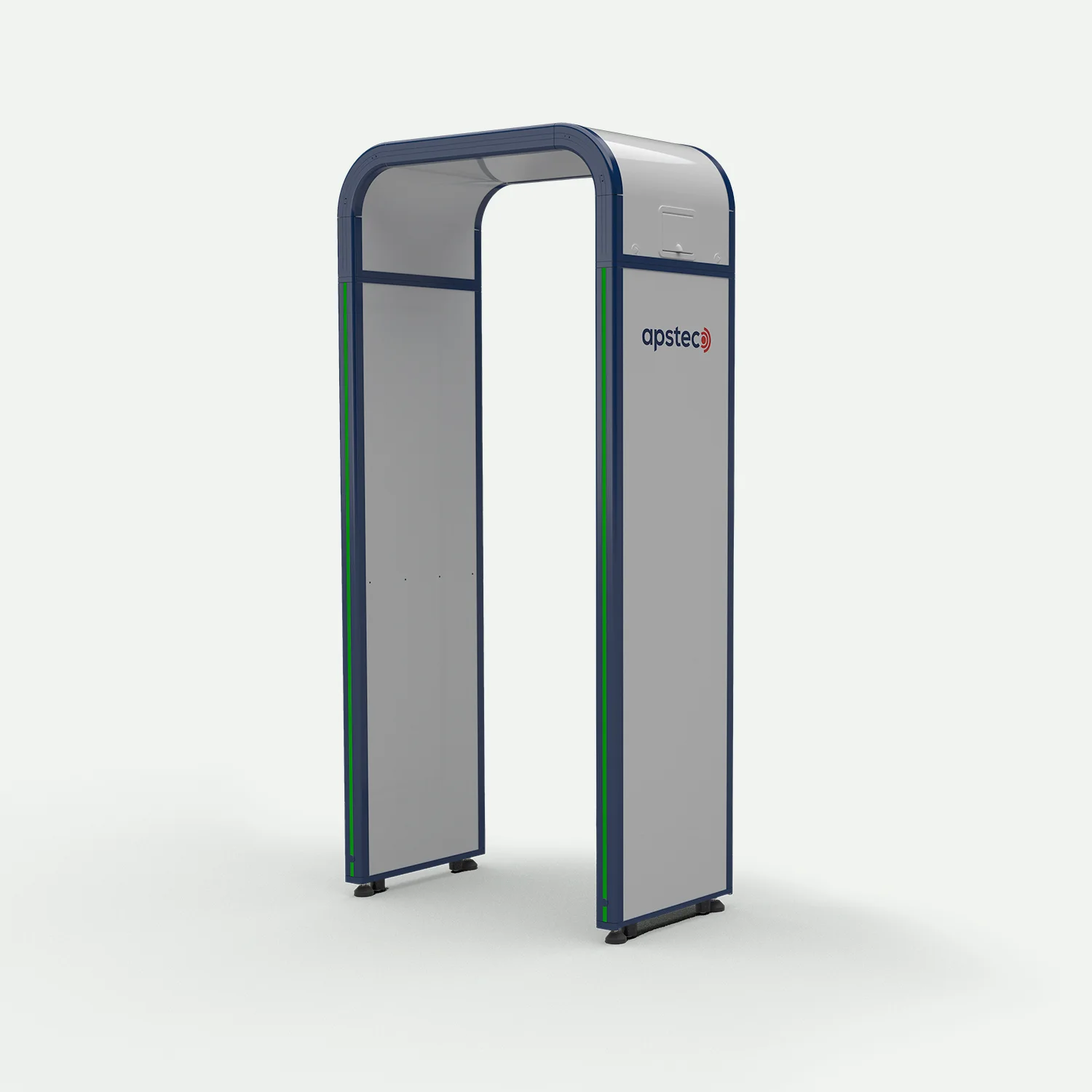
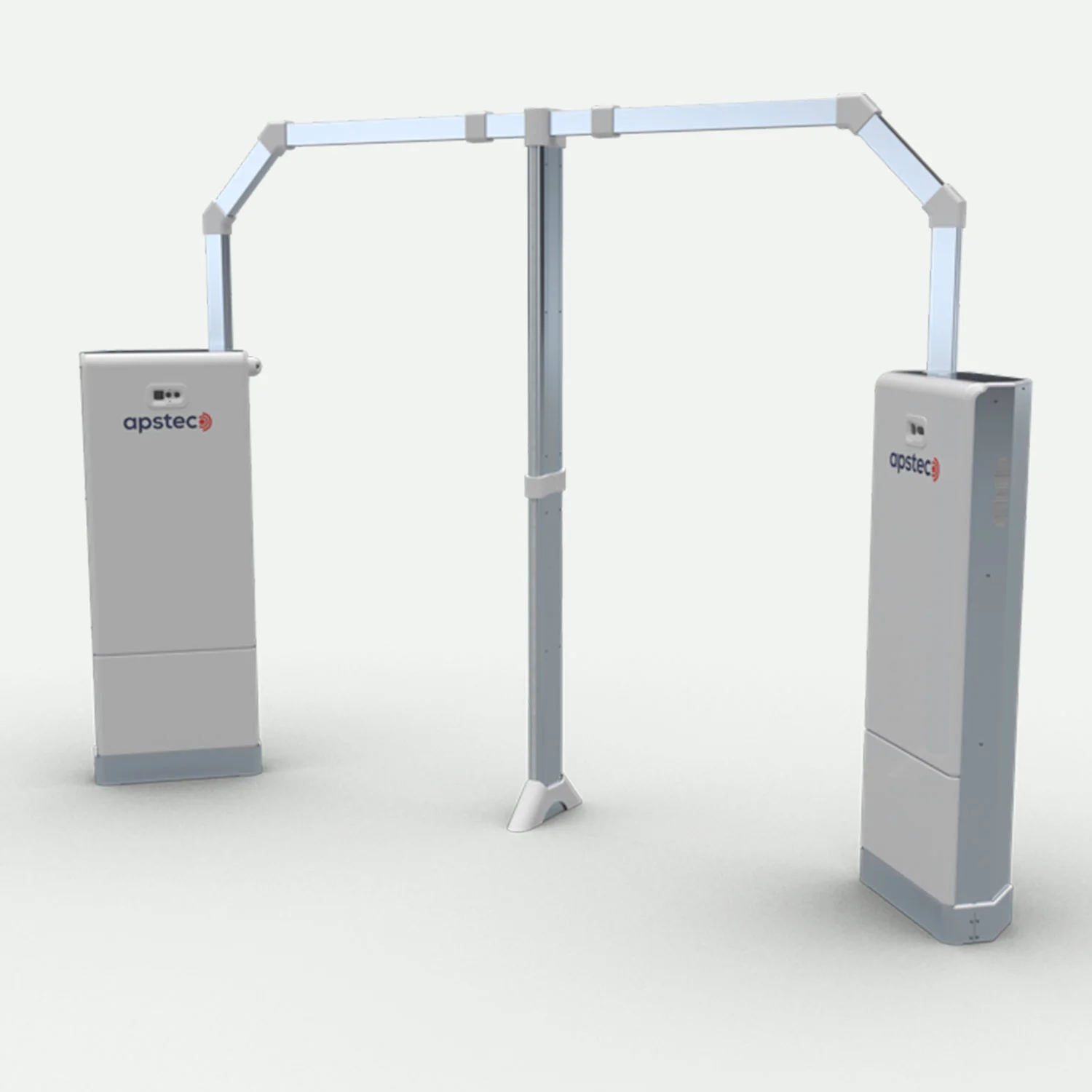
Questions
Screening at airports
Something else? Write to info@apstecsystems.com or call +46 8 525 130 65.
Why are airports hard to secure?
At entrances to airport terminals, using traditional checkpoint security processes that scan one individual at a time, is often impractical, inconvenient, unreliable, and expensive to operate. In addition it can cause secondary vulnerabilities by creating lines outside the entrance. As a result, security at terminal entrances was limited or non-existent, and time and time again has failed to act as a deterrent for terrorists.
How does Apstec screen at airports?
Apstec®’s Human Security Radar® (HSR™) delivers the capability to screen people for explosive threats and automatic firearms. HSR™ offers the opportunity for Airports to significantly mitigate the risk of terrorism in landside arrivals and departures. HSR™ does this by screening people for threat items at the entry into the terminal. HSR™ can enhance Airport security and at the same time have a positive effect on airport operations and the entire passenger experience. HSR™ screens people entering landside public spaces for explosive threats and automatic firearms without the need to interrupt the crowd flow. HSR™ is not screening for small threat items that may pose a threat to the safety of an aircraft in flight, which is the purpose of pre-departures screening, but is protecting people in landside areas from terrorist attack. It is another layer of airport security and offers a solution to mitigating the risk of terrorism in arrival and departure halls where a capability gap currently exists.
Which Apstec products suit airports?
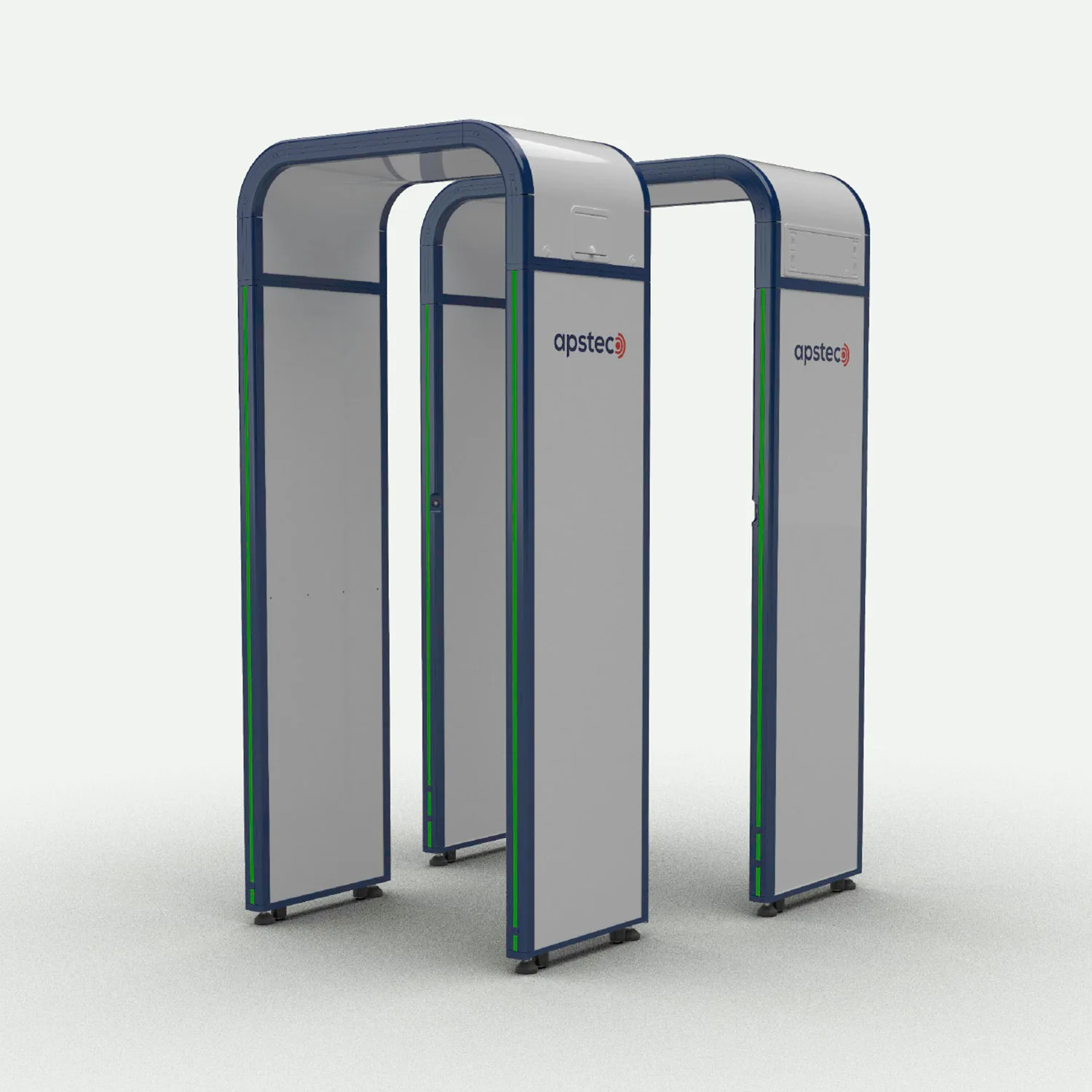
Apstec HSR screens people entering landside public spaces for explosive threats and automatic firearms, without interrupting the crowd flow.
Use cases