
Use case
Security Screening for Mass Transportation
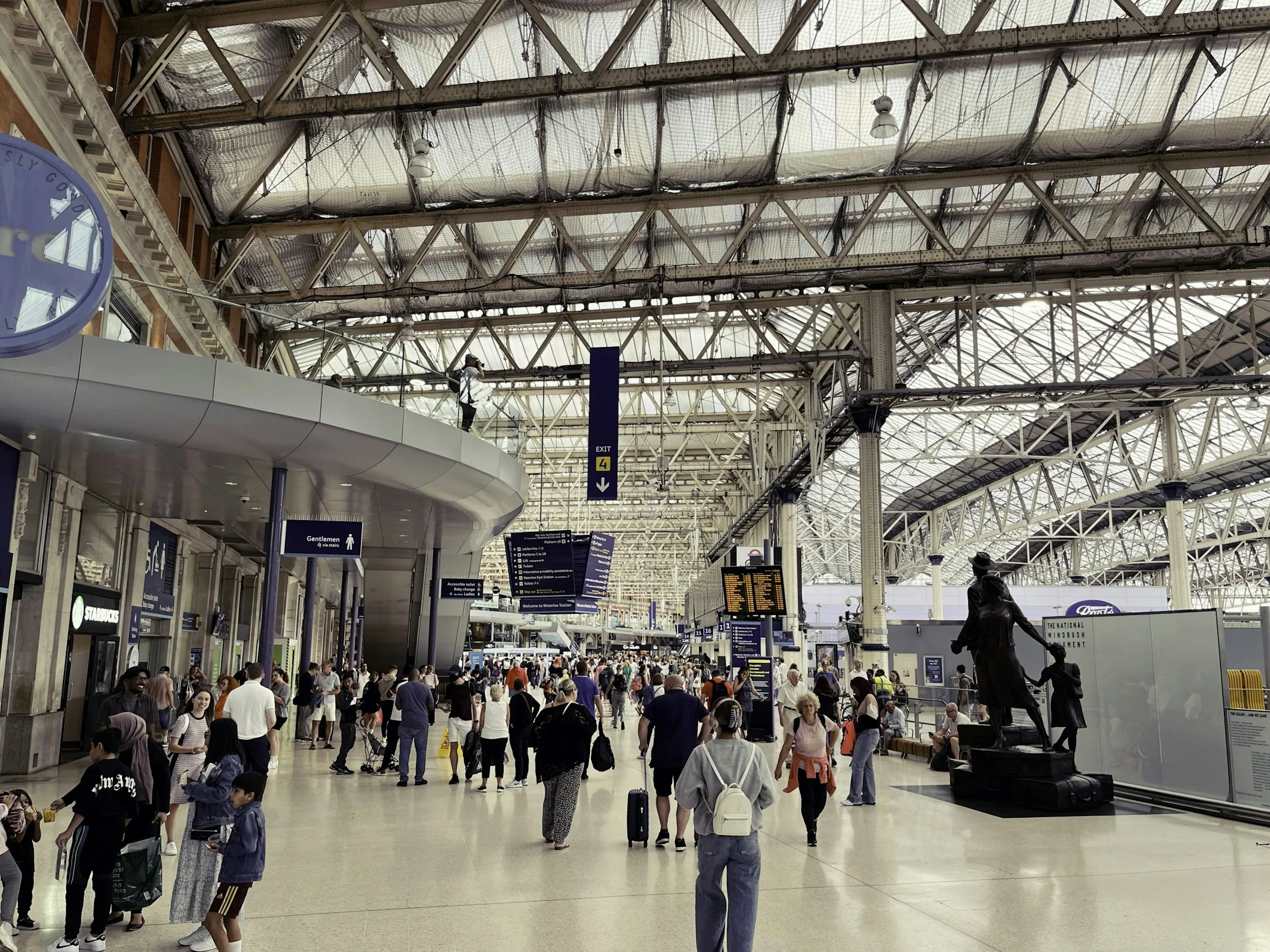
Railway stations, metro systems, bus terminals and other land transport hubs are among the most challenging environments to secure.
The challenge
Open, accessible and always moving
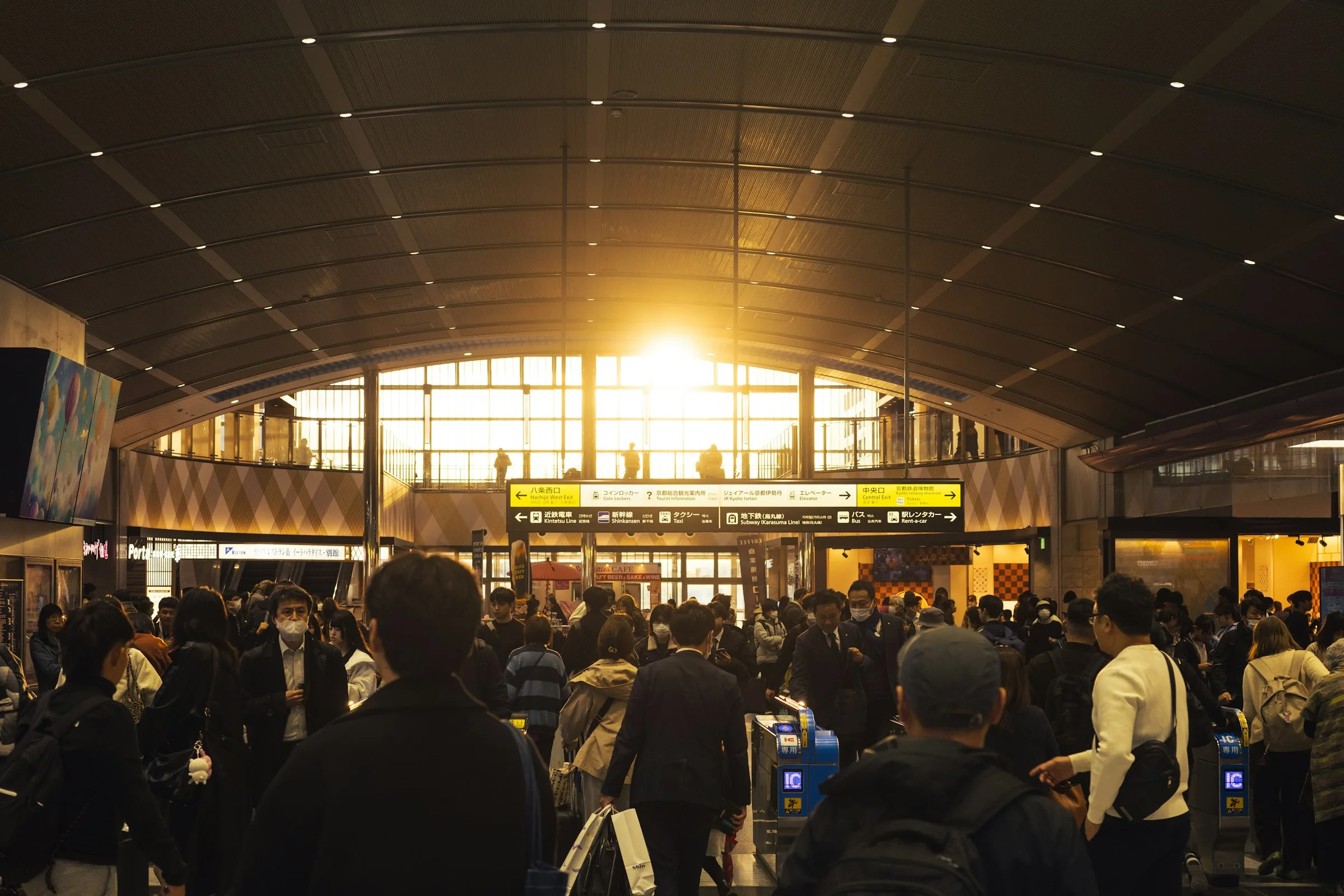
Railway stations, metro systems, bus terminals and other land transport hubs are among the most challenging environments to secure. They are designed to move thousands of people quickly and efficiently, making traditional checkpoint-based security both impractical and disruptive.
Unlike airports, transport hubs must remain open and accessible while handling constant passenger flows, varying luggage sizes, and rapidly changing threat levels. Attempting to screen every traveller creates bottlenecks, increases operational costs and can overwhelm security teams with unnecessary alarms.
The challenge is finding a security solution that strengthens protection against genuine mass-casualty threats while preserving the speed, accessibility and convenience that passengers expect.
- Where
- Railway stations, metro systems, bus terminals and other land transport hubs
- Screens
- People with their hand-carried or body-worn bags
- Deployment
- Permanent, or as a rapid-response pop-up
- Alarms
- High throughput and low false alarm rates
The solution
Security without compromising passenger flow
Apstec’s AI-driven high-throughput screening technology enables transport operators to enhance security without compromising passenger flow. Instead of relying on traditional checkpoint screening, the system supports flexible deployment, allowing operators to adapt security measures according to changing threat levels and operational requirements.
The solution screens people together with their hand-carried or body-worn bags while maintaining high throughput and low false alarm rates. By focusing on genuine threats rather than everyday personal items, security personnel can respond faster, reduce unnecessary interventions and maintain a smooth passenger experience.
Whether deployed permanently or as a rapid-response “pop-up” solution, Apstec helps transport operators create a practical, proportionate and effective security strategy—one that deters threats without disrupting daily operations.

0.75m movements / day
Passenger movements at New York Grand Central Station
22,500 alerts / day
If every passenger there were screened at a credible 3% false alert rate
2,500 people / hour
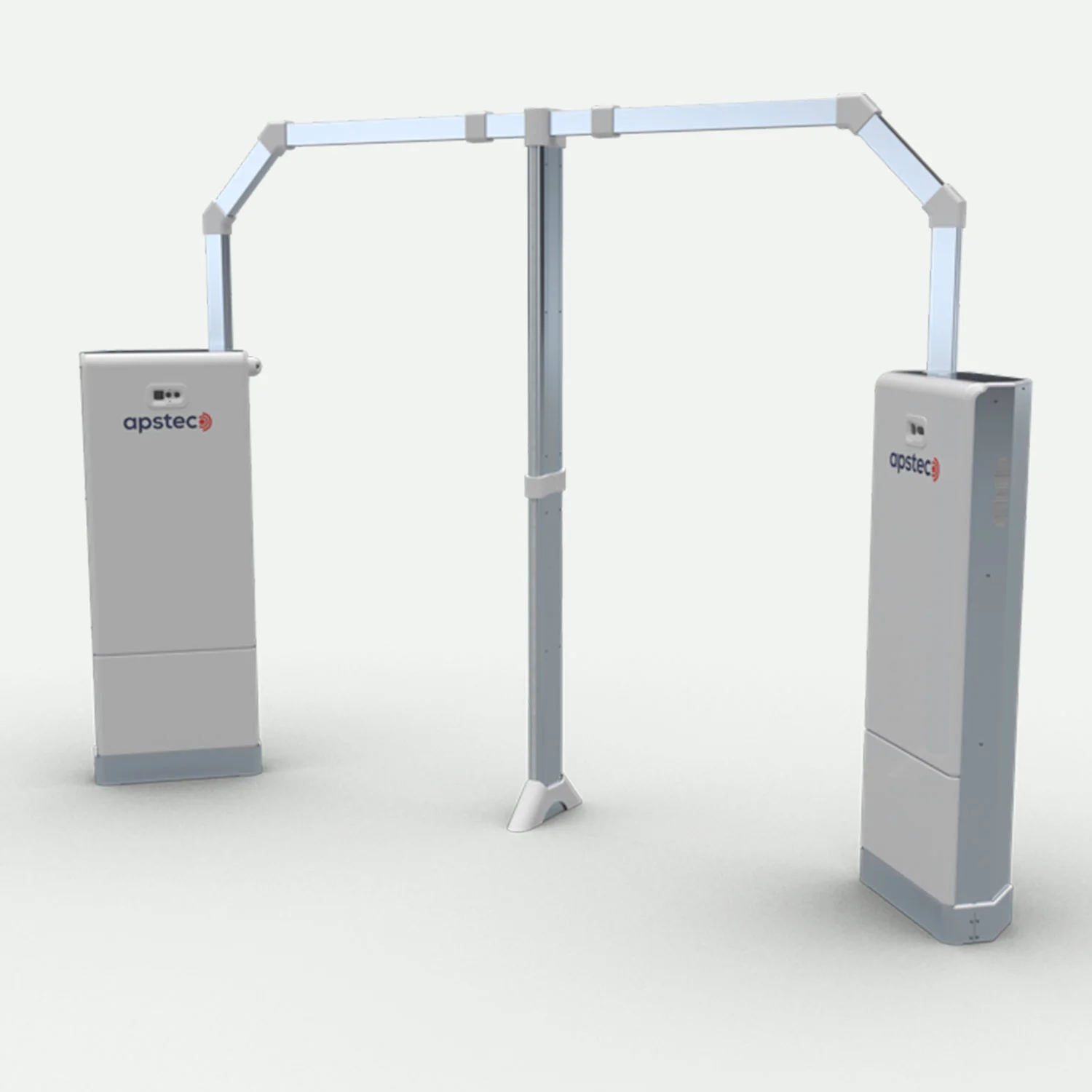
screened by Apstec Falcon Plus, with their bags
Considerations
Why transport hubs are hard to secure
Land transport networks and hubs are necessarily open to the public, experience the mass movement of people every day, and are often housed in buildings not built with security in mind.
01
Threat and risk
The scale and complexity of these operations suggest that the focus should be on genuinely mass casualty threats.
02
Bags and contents
Many travellers carry luggage, including large and complex bags, that needs careful consideration.
03
Scale
Nothing will disrupt these operations faster than a security plan that is too ambitious.
04
Traveller experience
Screening must be acceptable to the travelling public as well as the transport operator.
05
Proportionality and affordability
Anything less than an affordable, proportionate and pragmatic approach is sure to fail.
06
Deterrence
You don’t need to do everything to deter a threat, you just need to do enough.
Do something
Approaches that work
Doing nothing is indefensible; doing everything would snarl up a hub. Not every hub has the same threat environment, so operational concepts should and will vary.
Threat and response
Linked to the threat level
The response level should be linked to the threat level, able to respond rapidly to changes in the threat environment.
Pop-up solutions
Brought into action quickly
Consistent with the need for a responsive operation, pop-up security screening that can be brought into action quickly.
Streaming
A fast track for small bags
For everyday travellers and day trippers, with small bags or no bags, there’s scope to run a form of fast track.
Random screening
Proportionate, well established
Randomly selecting travellers and their bags, with different percentages depending upon the threat level, as a core concept.
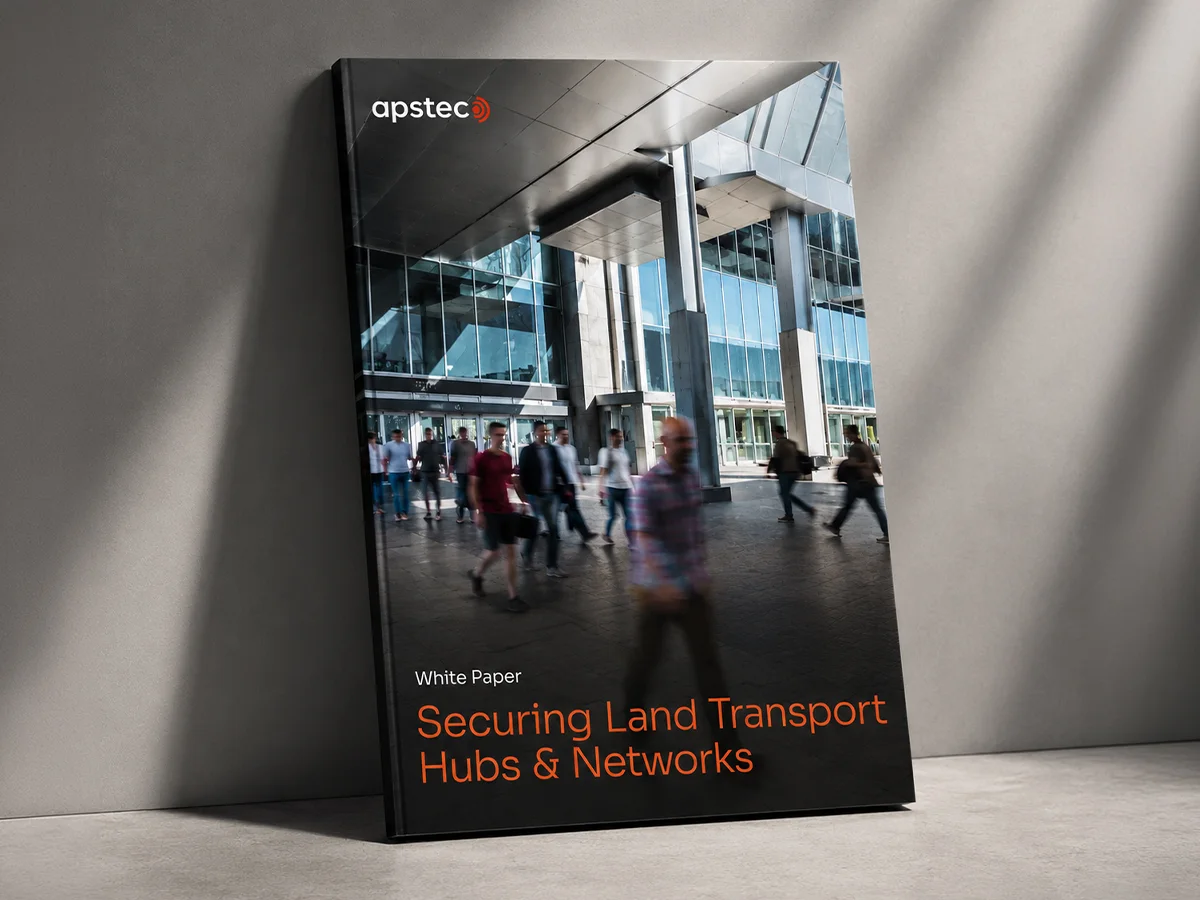
White Paper
Securing Land Transport Hubs & Networks
Land transport networks and hubs are easy targets for terrorists to attack but are notoriously difficult to secure. They are necessarily open to the public, experience the mass movement of people on a daily basis, the slightest disruption to which may result in chaos, and are often housed in buildings that have not been built with security in mind. Despite the challenges posed by this situation, these networks and hubs have attracted some horrific attacks over the years and security needs to be addressed.
Thank you
Enabling technology
Speed and discrimination
More important than AI as a buzzword is the speed at which things can now be done and the discrimination that tells a threat from what is not a threat.
01
Discriminative metal detectors
Rapidly deployed and reliable at telling threats from benign items where the threat is mainly weapons.
02
Millimetre wave imaging
Effective at identifying threat items carried on the body, provided bags are removed.
03
Hybrid solutions
Millimetre wave with discriminative metal detection: non-metallic threats on the body, and benign metal told apart from threats, with bags kept on.
04
Screening bags
Technology exists to screen low complexity bags, backpacks and hand carried bags for explosives and firearms.
Products
Our products
Questions
Screening at transport hubs
Something else? Write to info@apstecsystems.com or call +46 8 525 130 65.
Why are transport hubs hard to secure?
Railway stations, metro systems, bus terminals and other land transport hubs are among the most challenging environments to secure. They are designed to move thousands of people quickly and efficiently, making traditional checkpoint-based security both impractical and disruptive. Unlike airports, transport hubs must remain open and accessible while handling constant passenger flows, varying luggage sizes, and rapidly changing threat levels. Attempting to screen every traveller creates bottlenecks, increases operational costs and can overwhelm security teams with unnecessary alarms. The challenge is finding a security solution that strengthens protection against genuine mass-casualty threats while preserving the speed, accessibility and convenience that passengers expect.
How does Apstec screen at transport hubs?
Apstec’s AI-driven high-throughput screening technology enables transport operators to enhance security without compromising passenger flow. Instead of relying on traditional checkpoint screening, the system supports flexible deployment, allowing operators to adapt security measures according to changing threat levels and operational requirements. The solution screens people together with their hand-carried or body-worn bags while maintaining high throughput and low false alarm rates. By focusing on genuine threats rather than everyday personal items, security personnel can respond faster, reduce unnecessary interventions and maintain a smooth passenger experience. Whether deployed permanently or as a rapid-response “pop-up” solution, Apstec helps transport operators create a practical, proportionate and effective security strategy—one that deters threats without disrupting daily operations.
Which Apstec products suit transport hubs?
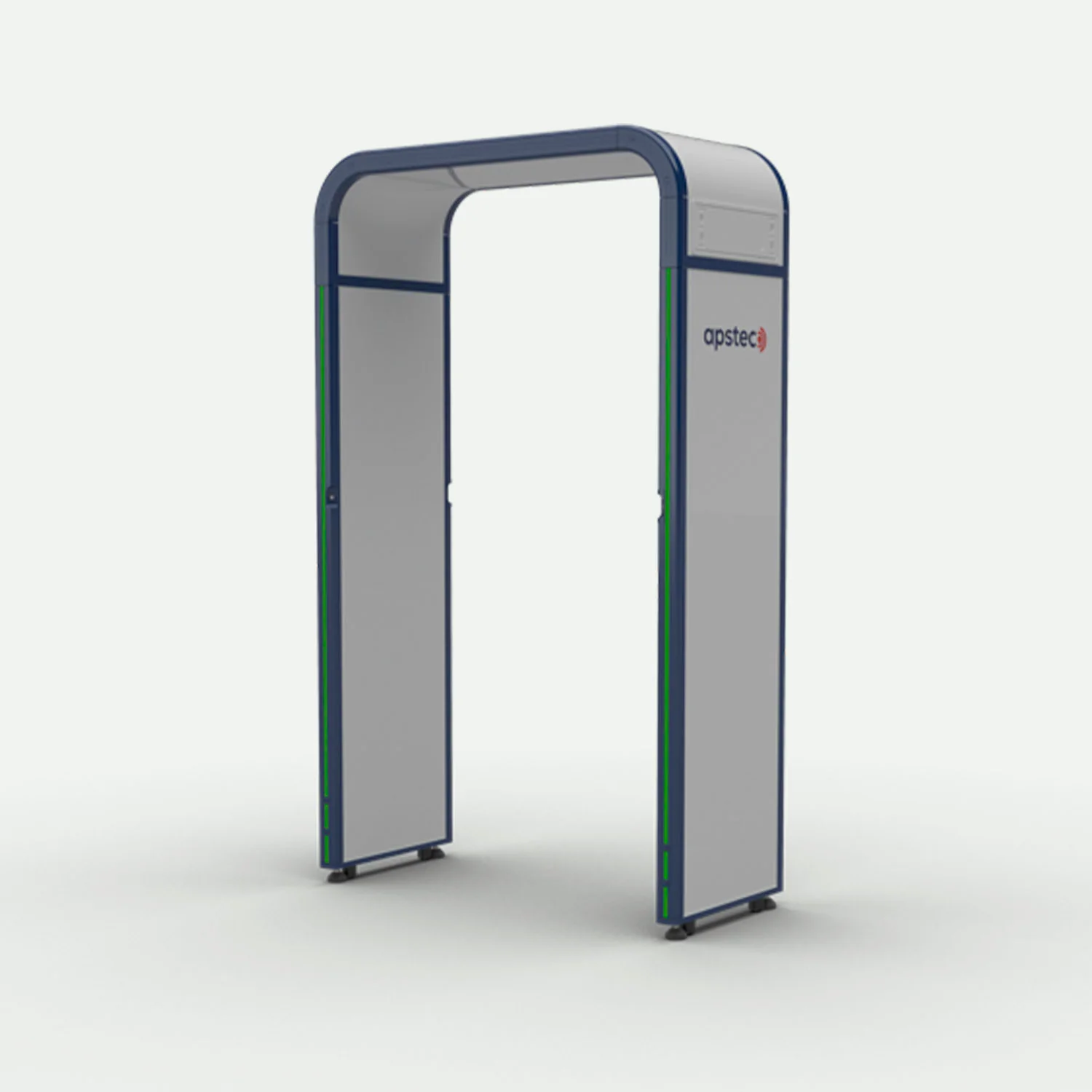
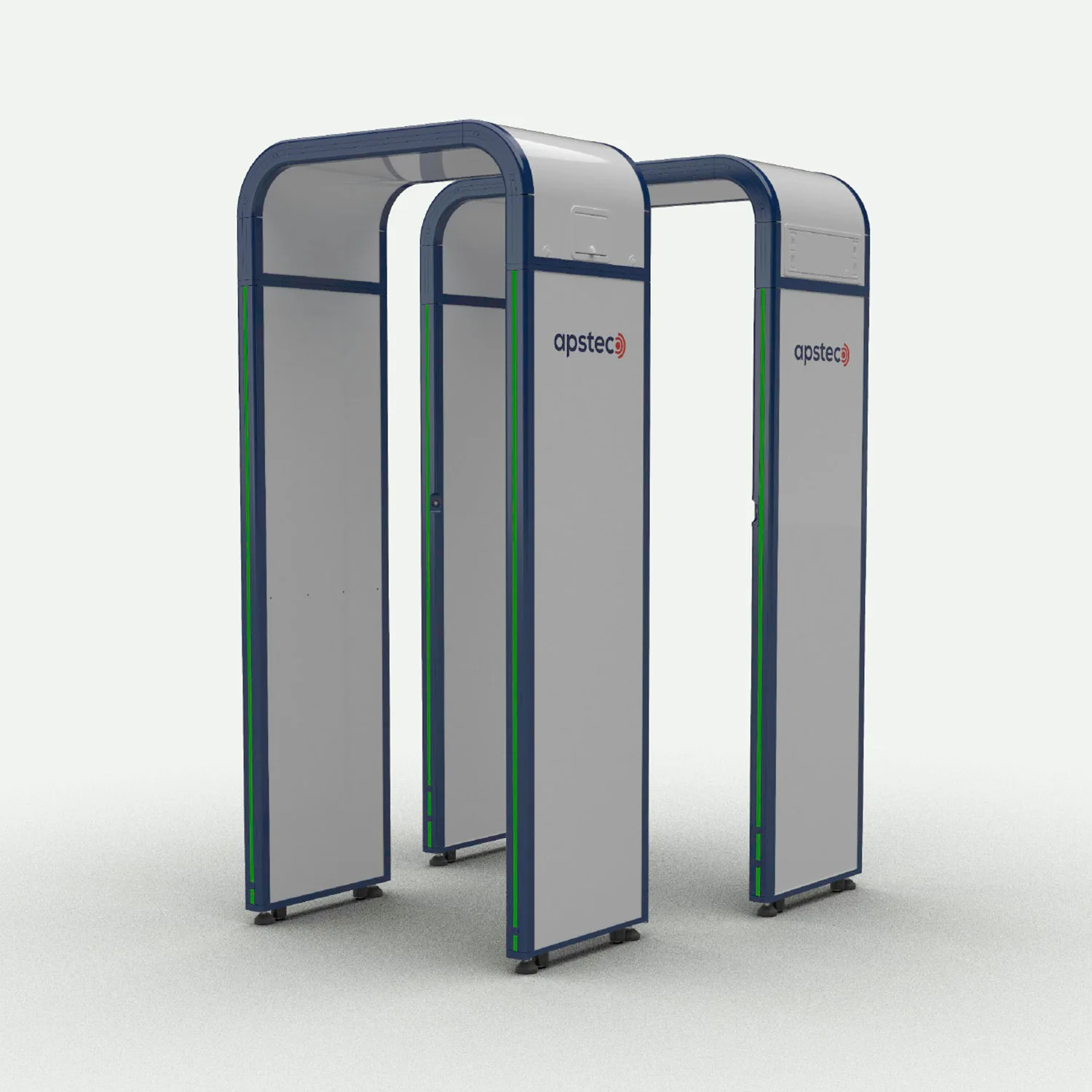
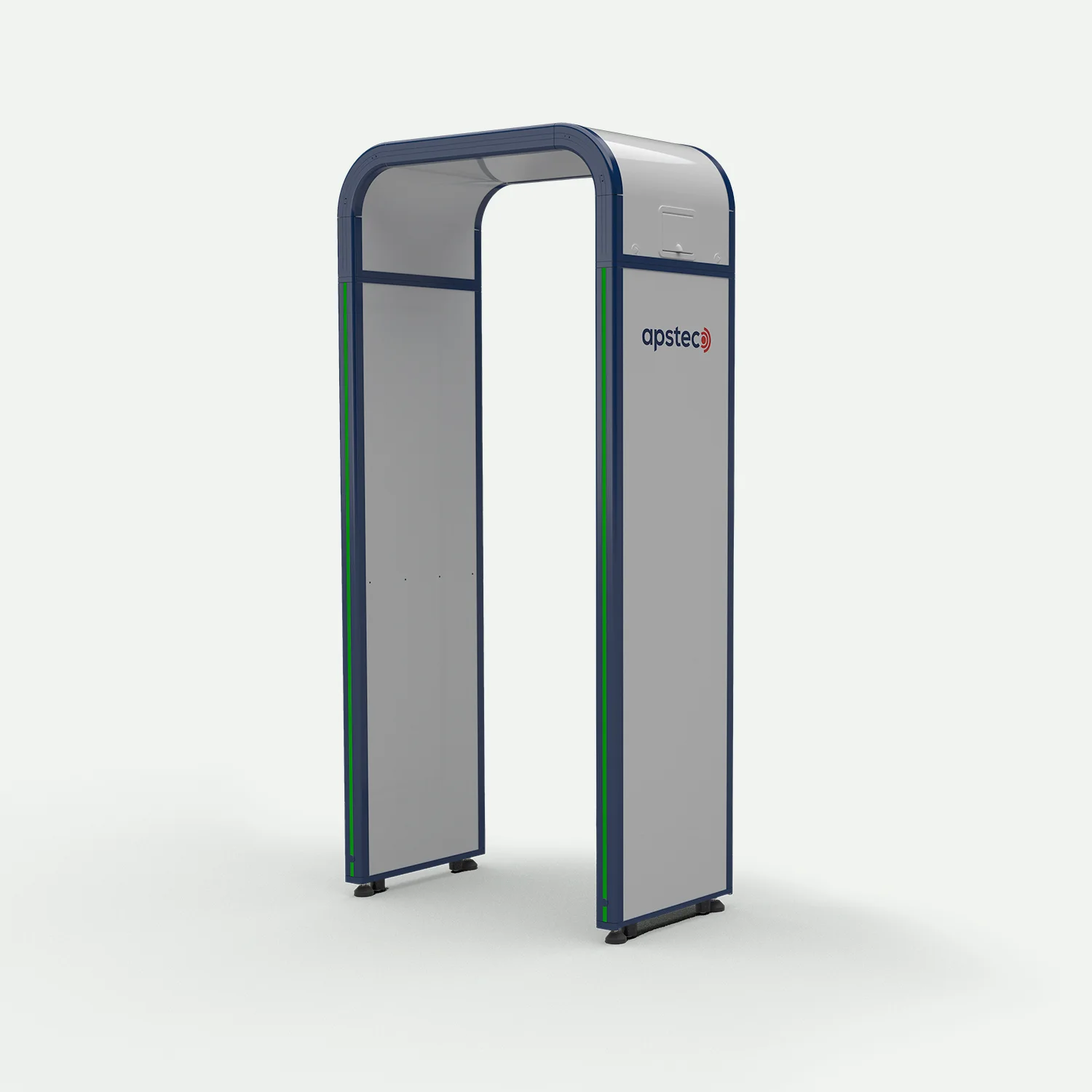
Apstec's AI-driven high-throughput screening, deployed permanently or as a rapid-response pop-up, screening people with their bags.
Use cases